Showing posts with label organic. Show all posts

Thursday, 11 October 2018

eco nursery style

It’s official - my baby’s bed is better than mine...


My favourite part is his lovingly handmade quilt, created by his great Aunt in Indiana. It’s just gorgeous - thank you Sharon!

Coming in a close second is his luxurious cot sheet set. Yes that’s right, luxurious. We were gifted a set of Elkie & Ark Fairtrade and organic cotton sheets, they are seriously silky smooth, and I will be buying myself a grown up set soon. See the following photos to see them without the quilt (though not too close up as they are slightly wrinkled from the laundry - busy Mama, not gonna iron sheets for an Instagram post 😂).


Of course he has a little lovey in his bed, also made with organic Fairtrade cotton, Kippins bunny named River - he was a lifesaver when we moved him into his own room a couple months ago!

Hidden from view is a wool mattress protector and a 100% natural latex mattress - both purchased from Nature Baby.

And you can see the top of his Oeuf cot, which will transform into a toddler bed, that I found secondhand from Gumtree. So great to be able to find sustainable wood  products secondhand.


I created the artwork on the walls, and framed them in frames made of reclaimed timber from Mulbury.

Oh yeah- and the paint on the walls is Bio Natural Paints that I bought from Eco at Home last year - the walls used to be a bright yellow - yikes! It’s now a soothing grey. I was so happy to be able to create exactly the colour I wanted from a natural, VOC-free paint, thanks to the colour-mixing experts at Eco at Home.

I did the best I could to create a sustainable nursery, this is just a snapshot from one corner. I’ll show you another corner another day, this nap time is almost over and I'll be chasing my little explorer all over the place before I know it!

Have a fabulous day!

xxLisa


Thursday, 23 August 2018

sustainable fashion baby


I love dressing my baby everyday (surprise, surprise). I'd change his outfit multiple times a day if he didn't scream bloody murder every time I pulled sleeves on or off him (it's been a looonnnng winter, folks). And I'm happy to say that I have found it super easy to dress him sustainably - much easier than I find dressing myself, even. 

Since I've decided not to show his crazy adorable face on public websites or social media outlets I haven't been posting photos of his looks as often as I'd like, but then I realised, I can just use the magic of cropping to chop that cute mug out of the photos (baby brain is real...).  So here are a few photos, but more importantly, my tips on dressing the crazy adorable little ones in your life.

Love pre-loved
This is by far the best and easiest way to dress a baby sustainably. Before my little guy was born I was gifted four huge bags of gender neutral baby clothes from a friend whose two little ones had outgrown them. Once he was here, a couple other friends gifted me their sons' clothing. These bundles, in particular the large number of basic singlets, onesies and tees, were by and far the best gift I could have received. THANK YOU dear friends, you know who you are.

I've also topped up his secondhand stash with some fabulous purchases from:
  • eBay - including a few "bundles" and specific searches for a winter coat and pants
  • My Kids Market NSW - I have been twice now and picked up quality pre-loved clothing for a bargain, but you can also find prams, furniture, car seats and lots of toys
  • Op Shops - though I admit I haven't found much in the local Op Shops, they seem to be filled with girls' clothes
  • Clothes Swaps - there are plenty of kids clothing swaps popping up, there have been two in my general neighbourhood over the past month alone!
Because babies grow so quickly, you are likely to find near-new (and often never worn!) clothing in these places, so keep your eye out for the great bargains to be had, and avoid buying new from the shops as much as possible.

Both of us in our secondhand fashion enjoying a winter day at the beach.

Score from the My Mids NSW markets!

Sweet Nature Baby cardi with secondhand tops and pants

Clothes from an eBay Baby Boy Bundle

Chats with his Kenana Down Under fair trade bear
in his secondhand clothes
(on a preloved playmat with a preloved ball)


Made with Love
If you're as lucky as I am, you will receive some items that were lovingly handcrafted. Many of my son's socks were made by his grandma, my mother-in-law, as well as some jumpers and overalls. A neighbour's mother also knit him a gorgeous cardigan, and used naturally dyed yarn and coconut shell buttons because she knew my passion for sustainable fashion. These are all treasured heirlooms and I'm so happy to be able to include these in his wardrobe.

Created with Love by his Lolly! (aka, grandma)

Preloved bib, top and pants with hand made booties
(they are little elephants - thanks Lolly!) and preloved toys on
his organic cotton playmat, found on Etsy

This sweet cardigan was made by our neighbour's mother
(and is paired with all secondhand clothes).

Sustainable labels & shops
Thank goodness for internet search engines, because this is how I've found some truly beautiful baby clothing made of organic cotton, wool and natural dyes. Some of my favourite labels so far include:
  • Aster & Oak - local Australian label creating funky baby clothes from organic cotton
  • Carlie Ballard - that's right, our favourite ikat designer has baby wear, including nappy covers, harem pants, and gorgeous dresses made of the same beautiful, handwoven fabrics
  • Sapling - the first piece of baby clothing I bought was from Sapling, just divine little pieces
  • Finn & Emma - this is a US-based label and I received a number of lovely gifts from friends and family from this heavenly label
  • Never Working Mondays - adorable (and cool!) swim nappies/swimsuits made from wetsuit/rash guard offcuts
  • Toshi Organic - Toshi are well known in my mother's group for their hats, but did you know they have an organic range? Hats, cardigans, mittens, booties, blankets and overalls, too, in luxurious organic cotton
  • Weave & Wing - created the cutest overalls out of soft cotton, made to last a long time and produced ethically in small batches
  • Ergopouch - a fabulous label that makes pyjamas, sleepsuits and sleeping bags with organic cotton
  • Target - a woman from my mother's group let me in on the secret of Target selling affordable organic cotton baby clothes - yes, Target!
  • Burts Bees Baby - another one from the US, my mother has bought some delightful pieces from Burts Bees, pioneers in low-tox living
  • Nature Baby - this online store has fantastic organic cotton clothing as well as a range of other eco-friendly and non-toxic goodies for mums and bubs (plus a gift registry!)
  • Eco Child - another delightful online shop with a fantastic collection of clothes, toys and more
  • Etsy - it's always great to support handmade pieces, and I found a fantastic beanie from Belle Birdy Design on Etsy, which allowed me to choose the yarn colour and bobble colour to get my little one a unique winter head piece (I love it so much that when we lost it on holiday I ordered another one to be made exactly as before!)
Aster & Oak onesie, and bright organic cotton bib from eBay


Carlie Ballard pants with Target shirt
Weave & Wing overalls

Ergopouch PJs

In his Belle Birdy Designs hat (the original, haha)

Ask the questions
I know it's not always possible to buy from a sustainable clothing label or find what you need secondhand - especially when you're adjusting to new parenthood! (And I suspect even when you've been a parent for a few years, I'm quickly learning that time disappears with this little creatures in your life). So if you need to buy something and can't find it secondhand or via a speciality eco-label, keep these questions in mind:
  • How will it wear? As in, is it made of good quality fabrics and stitched well? You don't need to be an expert to look at the seams, check for loose threads or feel for overly thin fabric. Although kids grow quickly, they are also messy little things and you want items that will wash and wear well.
  • Will Bubba wear this enough to make it worthwhile? I know those adorable rompers with dragon spikes or bunny ears are super cute, and who doesn't love a baby in a suit vest and bow tie? But ask yourself how often you will dress your little one in any outfit before buying new. 
  • Do the colours suit my little one? Yes, even babies have certain colours that look better on them based on their skin tone and hair and eye colour. Make sure the colours bring out the best in your little one, or put it back on the rack.
  • What is the material, and who made this garment? Check out the tags to see what fabrics are used - with children's clothing it is often cotton, but there are some poly-blends out there you may wish to avoid (to steer clear of those pesky microfibres). See what information you can find online about the working conditions of who made the clothing, and if you don't see any information, email or social media message the brand to ask them for the details. It's your right to know what you are buying.

Have fun!
The old adage is true, kids grow up fast, so enjoy this time when you still have some element of control in what they wear (before identity and peer pressure start to take over!), and who knows, you may even instil some ethical consumption habits into them from an early age.


Do you have any questions or brands you'd like me to follow up on? Leave a comment here or message me on any of my social media accounts and I'll get back to you. Or, do you have any suggestions for great sustainable kids labels or other secondhand shops to share?

xLisa

PS A follow up to the the cloth nappy conundrum: 
We have continued our subscription with Lavenderia for the time being, and are very happy with this decision. Overnight we use a disposable nappy (Tooshies) to avoid leaks and nappy rash.

We have also started slowly toilet training our baby using elimination communication. We have a teeny tiny eco baby loo and have had great success with his poos (yay!). The idea is to learn your baby's cues about when they need to go to the bathroom - poos are easier to tell than wees - and simply take them to the toilet and use sounds to encourage them to go. We are going on 7 days straight of all poos in the toilet, and about two wees per day in the toilet. There are some great resources at Nurturer's Care if you want to learn more or buy an eco baby loo (this is the one we have!). I have friends who had great sucess with this method and I hope to report back the same next year!

Saturday, 2 June 2018

adventures in baby wholefoods

I simply cannot believe my little one is 5 months old - where has the time gone?! (Utters every parent around the globe...)

I've been very lucky that breastfeeding has gone so well and my little guy has packed on the pounds quite well, and quite quickly. But lately he's been showing signs that he may be ready for more variety in his diet, so today he had first taste of food. Exciting!

So I turned to this book, "Wholefood for Children," which a friend gave me a couple of months ago. I have a feeling this book will be a treasured resource for years to come.


It has a chapter on first foods and gives great insights into the importance of cooking as much of the baby's food as possible, the types of foods to start feeding to baby, why we should use the oven or steamer as opposed to the microwave, and includes many recipes to keep things interesting as well as healthy for the bub. The book also suggests some of the best nutrient-dense first foods are egg yolk, liver and lamb's brains (!). I love that throughout this chapter are ideas for how to make food for baby out of what you are cooking for yourself so you don't have to double up on cooking.

As the book (and the Early Childhood Centre) suggest, my son's first food was a root vegetable. I decided to start with sweet potato because, hello, sweet potatoes are amazing. But assuming he continues to enjoy his first veggies I'll work some egg yolk into the veggies soon.

Picking up sweet potato from the Manly Food Co-op.

The author also suggests enriching the foods with ghee or coconut oil in order for the baby to better assimilate the vitamins and minerals. I opted for just a tiny amount of coconut oil so as not to worry about dairy for now.


I roasted a sweet potato rubbed with coconut oil (both from the Manly Food Co-op) in the oven until a fork went easily through it. After it was cooled I scooped the flesh into a small saucepan (and ate the delicious skins myself - yum!) and pureed with a drop of coconut oil and a bit of cooled boiled water using a stick blender.


By all accounts I'd call it a success. He certainly made the initial, "What is this?!" face of confusion-slash-disgust, but soon enough was grabbing for the spoon to chew on and lick himself.

The experience was as delightfully messy as you could imagine!
Though you can't see it all that well, he is wearing a cardigan that was
hand-knit by our neighbour's mother - so kind and gorgeous and warm!
And his bib is a fabulous secondhand item from our dear friends. 

Only time will tell if I continue to make all his meals - I quickly learned how full my days are caring for this little munchkin - but I certainly think this book will give me the necessary guidance and recipes as I get started.

Does your little one have any favourite foods that I should try?

In my excitement I forgot to photograph this with the food in it - part of
the adorable Love Mae bamboo dining set that hubby bought when I was
pregnant. I cannot believe we are already using it.

xxLisa

Friday, 11 August 2017

long live the manly food co-op


If you've read my book you'll know that the Manly Food Co-op and I got off to a rocky start. What is up with all these bins? Am I really meant to bring my own containers? What do all the different prices mean? And how much did I just spend on olive oil (while distracted from the beautiful Brazilian checkout boy)?


Fast forward 8 years and I am a Manly Food Co-op pro (it helps that it moved to a larger, brighter, swankier space). My husband and I can collect our containers from home and do a "big shop" in about an hour - including getting all the beautiful organic, local, packaging-free ingredients for two flavours of homemade muesli, stocking up on pantry essentials like rice, legumes, and nuts, and gathering whatever produce strikes our fancy. Ty has volunteered off and on over the years, and this year I've been volunteering as Director of Sustainability. We honestly don't know what our lives would be like without the Co-op.

Unfortunately we may soon face the reality of a life without the Co-op and the sense of community it brings us. The Manly Food Co-op is facing closure if we don't raise $50,000 (AUD) by 20 August. That's just over a week from now! The details of why we need that amount and what it will be used for are on the Pozible crowdfunding site, so I won't get into it here.

What I do want to say here is how important I think places like the Co-op are for building community and for offering the potential to radically change our food system.

When the Co-op was founded over 21 years ago by Keelah Lam and other local environmentals, they had a vision to offer clean, affordable food to the Manly community that was better for the planet and better for people's health. Those same values drive the Co-op today, and are as important as ever as governments and corporations seem hell bent on keeping polluting, wasteful practices as the norm. If you watched the War on Waste and saw the latest report about how some of our recyclables only get recycled 50% of the time you will know the importance of avoiding packaging in the first instance.

As we like to say at the Co-op, we never had to ban the plastic bag, because we never used it in the first place.

In addition to waste avoidance - and pollution avoidance (and health benefits) of buying organic - the community of the Co-op has enormous revolutionary potential. As I've been writing about in my thesis lately, the way to change practices (like grocery shopping) to be more sustainable is not to focus on individual behaviour change, but to focus on creating networks and building connections. Building networks provides emotional support, but also supports multiple ideas to come together to start to change the system itself, which then enables everyone to have a more sustainable shopping experience.

This week I've been blown away by the passion of the fundraising committee - including my husband. It seems I have fallen even more in love with him this week (had no idea that was possible!) as I've seen his fighting spirit come alive, and heard him speak with tenderness of the love he feels for the Co-op as he contacts some of the 600+ Co-op members to raise the funds to save the shop. In less than 2 days they have raised over $12,000. I have witnessed the power of community, the power of this network, as it is rallying together to save an institution they love.

If you are passionate about stopping food and packaging waste, supporting organic farming, and the idea of changing the food system to be more sustainable, equitable and healthy, can I ask you to do me a favour and donate to the Manly Food Co-op fundraising campaign? If you are a local, you can contribute while getting (or renewing) a membership, or take advantage of some awesome rewards (like a sailing excursion or a tour of Keelah's house and beehive!). If not, consider it a donation toward a space that is trying to set the standard for a new way of providing food.

Long live the Manly Food Co-op!


Sunday, 12 January 2014

sustainable summer style

I definitely love glamming it up, but I don't want you to get the impression that all my days are filled with glamorous NYE parties and nights at the Opera House. Here's a look that is extremely common as I enjoy Sydney's summer:


Shirt: David Atwell, Organic cotton, locally made, hand-painted
Shorts: Vintage Wrangler shorts from the Round She Goes markets
Shoes: Breo thongs (calm down Americans, I mean flip-flops), made of recycled plastic and oh-so-cushy
Hat: My hat is not too sustainable, but Greenpacha makes fabulous eco-Panama hats and gives 2% of their profits to weaving communities in Ecuador.

How do you create your sustainable summer style?

Friday, 29 November 2013

a green thanksgiving fling

Happy Thanksgiving!

I don't know about you, but I love Thanksgiving. It's definitely my favourite holiday, and one American tradition that I've proudly continued in Australia. (My Aussie friends are so thankful, too.)

Thanksgiving a couple years ago - summertime feasting!

The real beauty of the holiday is that it does not focus on gifts or spending money. It's not exclusionary based on religious choices. It's just a time to get together with those you love to enjoy a feast and express gratitude.

As soon as I sit down and reflect in a state of gratitude, I find my list of thanks is limitless. A wonderful, supportive family. A caring husband. Generous friends. Freedom. Passion. Time to write and explore. A healthy body that can exercise, dance and practice yoga. The ability to travel. Accessible technology that allows me to keep in touch with loved ones around the globe. And so much more!

What are you thankful for this year?

My chalkboard wall at my last home - the perfect
spot for guests to share their gratitude!

Besides 'being thankful,' this day is really about eating. A lot. And watching football. And eating some more. Probably in the form of a cold turkey and cranberry sandwich.

Since it's not a holiday here in Oz, I'm hosting Thanksgiving next weekend. As I plan I'm hoping to make this feast-day as eco as possible. (These tips are probably too late for my American readers, but file these thoughts away for your upcoming Christmas feast, too.)

Organic, free range turkey
I limit how much meat I eat on a day-to-day basis to keep my eco-footprint low. On special days like Thanksgiving, though, I definitely enjoy my meat. For Thanksgiving I ordered an organic, free range turkey - I'm so thankful my local butcher can order this for me! This means the bird has led a healthy, humane life, free from antibiotics, hormones, and unnatural food sources (did you know that over the past 50 years the average domesticated turkey has grown by 12 pounds, causing a number of health concerns? Yikes!).

Look at this lovely scene.

Reduce Packaging
I also limit food packaging in my regular eating routine, and Thanksgiving is no different. I have a lot of fun making things from scratch that 'traditionally' are made with packaged foods (at least in my house!). These days I use fresh green beans in the green bean casserole, fresh pumpkin and homemade dough for pumpkin pie, and fresh sweet potato for candied yams. Making these treasured favourites from fresh ingredients reduces packaging waste, and is healthier, too, because I can limit the salt and sugar I use, and avoid unnecessary preservatives and food colouring.  

My first 'from scratch' pumpkin pie last year.

And of course my Thanksgiving shopping was done with reusable shopping bags.


Vegetarian options
Apart from the turkey, I prefer side dishes to be vegetarian. Historically, Thanksgiving celebrates the pilgrims first harvest with the help of the American Indians (that's the story everyone's sticking with, anyway), so it makes sense to feast upon local, seasonal produce. Keeping all the sides dishes veggo means my vegetarian friends can feast along with us, and we keep our meat eco-footprint just for the big bird.

Reusable dishes, glasses and cutlery
It's quite common during the holidays to succumb to the convenience of disposable plates, glasses and cutlery.  Using 'real' plates and glasses saves waste from going to the landfill and adds an extra sense of occasion. When I don't have enough to go around, I don't break the bank stocking up (definitely not sustainable to buy things just for a one time use!). Instead I assign someone (or a few people!) to bring their dishes/glasses/cutlery instead of a side dish. And occassionally I break out the picnic plates, too.

We can't all have a kitchen this well-stocked.

Leftovers
I'm hoping to end up with some leftovers so I can enjoy a few cold turkey sandwiches. Hopefully I don't wind up with too many leftovers, though.  Did you know that globally, one-third of all food is wasted? Food waste is the largest component of American landfills, and equates to 40% of Australian waste bins.

To cut down on food waste this Thanksgiving, I'll send some plates home with my guests, and look up 'leftovers recipes' to avoid wasting any of the delicious feast.


Homemade stock
After the bird has been carved and I've pulled apart the wishbone with my hubby, I'll be keeping the carcass to make my own stock. 1 Million Women recently posted this very affordable homemade stock recipe that I'll be putting into action - I particularly love that it helps me cut down on waste by using the little 'bits' of veggies that I usually toss. Genius!


Black Friday shopping
Since I'm not in America this year, I can avoid the mayhem of Black Friday shopping altogether. (Though, I have been in America the past two years and successfully avoided shopping centres on both visits.) This is the traditional kick-off to the silly season of spending, with stores promising mad discounts and special deals the day after Thanksgiving. And now it is creeping into Thanksgiving day itself, to the horror of many Americans.

No thank you! And before any Aussies get too judgmental, this is not
dissimilar to the Boxing Day craziness.

I believe that shops would not be open on Thanksgiving, or at ridiculously early hours on Black Friday (hello 4am! May as well stay up all night for that one), if there were not people willing to shop at that time. The stores are not without fault, but shoppers are also to blame, demonstrating time and again our thirst for a bargain. Instead of rushing out to try and get the so-called bargains, I prefer to vote with my wallet by not shopping on those days, and keeping my wallet shut.

If you also choose to keep your wallet closed this weekend, don't fret about the upcoming gift-giving season. I will be coming to you with eco-holiday gift tips in the coming weeks.

Until then . . .

Happy Thanksgiving everyone! And sending extra special love to my family up north today, missing you all heaps.
xLisa

Gobble, gobble!

Wednesday, 20 November 2013

a green muesli fling

I don't know about you, but I wake up hungry everyday.

I hear people talk about not being able to eat first thing in the morning and I truly cannot comprehend. As soon as my feet hit the floor, my tummy is asking for food, and most mornings that means a bowl of delicious, homemade muesli.


To be completely honest, my gorgeous hubby usually mixes up our all natural muesli. But he's busier than I am this week, so I took it upon myself to create our latest batch. 

Here's my easy 5-step method to making delicious, organic muesli.

Step 1 - make your shopping list
  • Rolled oats
  • Dried cranberries
  • Dried apricots
  • Almonds (sliced)
  • Pepitas
  • Coconut (shredded)
Buy as many organic ingredients as possible, and mix it up! This is the recipe this week, but next week may see dates, walnuts and sultanas mixed in with the oats.

I purposely left out amounts of the ingredients because it should all be done to taste. As a guide, the rolled oats by themselves should equal between one-half and two-thirds of your muesli container, and a little goes a long way when it comes to the other ingredients.

Step 2 - visit the Manly Co-op
I am so lucky to live in a neighbourhood with a fabulous organic food co-operative - the Manly Food Co-op - which sells all the ingredients I need for my muesli in bulk bins. 

Those of you who have read my book know that I have a love-hate relationship with Co-op shopping. Since you have to bring your own container to fill, there is a level of organisation I don't naturally posses as it relates to shopping, so it can at times feel like a mission. Luckily for the planet (and my health!), my LOVE of saving so much packaging whilst supporting organic food growers outweighs my organisation frustration, and I'm a Co-op regular.

Bulk grains, legumes, dried fruit and more at the Co-op.

We have been members of the Co-op for a few years, and my hubby volunteers in the shop about once a month, so we get fabulous discounts. If you're a Manly resident (or Sydney resident!) you should definitely check it out.

If you don't have a co-op, the next best thing is a health food store with bulk bins (like Whole Foods or Sprouts for my US readers). If that is not possible, you can buy all the ingredients at your local grocery store; buy in the largest size possible to reduce packaging.

Step 3 - get organised
Gather all your ingredients, your muesli container, a knife, cutting board and mixing spoon.


Step 4 - chop ingredients
Lucky me! This week I only needed to chop the apricots, everything else was already the perfect muesli size.


Don't be alarmed by the colour. These are all-natural dried apricots, with no sulfates or other preservatives to maintain the orange colour. Okay, they are not quite as pretty, but they are just as tasty, and healthier for me, too.

Step 5 - layer and mix
Remove about half the oats and layer in your tasty ingredients.

Don't worry - this container is BPA-free!

Give it all a stir (or put the lid on the container and roll it around a few times), then add the remaining oats and give it another stir or roll.


Enjoy!
There you have it - natural, organic, no added salt or sugar, muesli. Enjoy with your favourite milk, or over yogurt and honey, and sprinkle on a little LSA and maybe some cinnamon to get your day off to a great start.

xxLisa

Want to know more ways I live my life sustainably everyday? Keep up with me on Twitter and Instagram for all the bits that don't make it onto the blog.

My instagram while I was shopping!

Saturday, 24 August 2013

guest post : Olivia Golding : organic cotton

Today I'm delighted to bring you a guest post from up-and-coming fashion journalist, Olivia Golding. Enjoy!

What Goes Into Growing Organic Cotton?

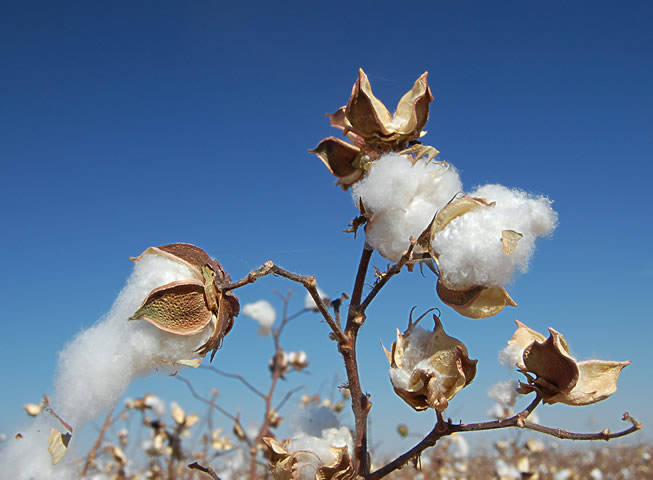
Light and fluffy, cotton is a material that plays a major role in all our lives. It's highly likely that you're wearing something that has been made from cotton right now. What about that t-shirt on your back, or perhaps the jeans you're wearing?

It was around 7,000 years ago that humans are believed to have started growing cotton in the part of the world now known as Pakistan. Over the following millennia its use spread and today cotton is used to make two-fifths of all the world's textile products.


So many uses  
The reason that cotton is so popular is that it can be used to make so many things. Clothing items made from cotton can be found everywhere, but there are some more obscure items that also use the fibres attached to cotton seeds. These fine, silky strands known as cotton linters are used to add cellulose to products in order to stabilise them. For example, food manufacturers will add cellulose to items such as low fat ice-cream to ensure the dessert is still creamy when you lick it. It is also used in grated cheese to coat the individual strands to stop them sticking together and the product ending up as one big block. And that piece of gum you're chewing on… yep, it's in that too!    

Not quite so fluffy and nice

There's no denying that cotton is a great raw material and it is no accident that is has become so important in countries across the world. Unfortunately, producing cotton has a number of drawbacks. One of the main ones is that cotton is one of the most heavily sprayed crops in the world, with pesticides and herbicides used to help protect crops. Some estimates suggest the traditional cotton growing industry is responsible for almost a quarter of the world's insecticide use and a tenth of global pesticide use. There is also the issue of water usage as it takes more than 8,000 litres of water(1) to grow enough cotton to make a pair of jeans. The good news is that there are moves to curb the use of sprays that can harm the environment and wildlife. The supply of organically-grown cotton is increasing.

What is organic cotton?
Put simply, organic cotton is grown without the use of chemical pesticides or fertilisers. The overall aim is to produce cotton that has been grown in a way that has the least impact on the environment. Organic cotton farmers use compost and manure to build up fertility in land naturally, avoiding the use of synthetic pesticides. It's estimated that as many a 77 million people are poisoned each year through the use of such chemicals(2). It is always surprising to think that even though thousands of chemicals(3) have been used to turn a raw material into a finished product, so many parents will still put that material next to their child's skin. What's more, the production of organic cotton uses less water because organic systems mostly use rain fed water systems rather than artificial irrigation(4)

Better for the workers
Organic cotton is not just better for the environment, it is also better for the people working in the industry. According to the US-based Organic Trade Association, insecticides considered to be among the most harmful to human health, including Aldicarb, parathion and methamidopho, are in the top 10 list of most commonly-used insecticides by non-organic cotton growers(5). By removing such toxic pesticides from the growing process, workers in the fields are not exposed to them and the risk to health is nullified. And there's more good news for consumers, as businesses involved in organic cotton growing also tend to abide by other employment standards international labour standards(6), covering everything from fair wages and good working conditions to acceptable working hours and avoidance of discrimination. According to Jacqueline DeCarlo, author of Fair Trade: A Beginner's Guide, about 85 per cent of fair trade-certified coffee sold in the US is also organic. So by investing in organic clothing, consumers could also be having a direct impact on the lives of employees in developing countries around the world.


This post was contributed by Olivia Golding (hello!). As I've gotten older I've become more aware of the world that we live in and how we impact it, which is why I appreciated Lisa giving me the opportunity to write about the cotton industry! It's all about spreading the world, starting in little steps. I think that too many brands currently focus on the money - rather than how they source their material! That's why I'd like to mention Beaumont Organic - an ethical and organic clothing company. A brand that reflects my own views! I hope you enjoyed my post, thanks so much for listening.

****

References

 (1) http://www.waterfootprint.org/?page=files/productgallery
 (2) http://www.cottonedon.org
 (3) http://www.soilassociation.org/whatisorganic/organictextiles/organiccotton
 (4) http://source.ethicalfashionforum.com/article/have-you-cottoned-on-yet-the-organic-cotton-initiative
 (5) http://www.ota.com/organic/environment/cotton_environment.html
 (6) http://www.ilo.org/global/standards/lang--en/index.htm

Tuesday, 9 July 2013

a green walmart fling

You read that correctly. Walmart.

You see, I'm currently in small-town USA. You know that song by John Cougar Mellencamp, "I was born in a small town"? Well, I'm in that exact small town (Seymour, Indiana), hanging out with my in-laws and enjoying the heartland. The only problem with the heartland is that the nearest Whole Foods is over an hour away, and I've just run out of shampoo and mascara.

I love Whole Foods - it's on the list of 'pros' for the continuing US vs Australia debate - but, like me this week, most Americans don't have access to this natural products wonderland. On the other hand, 90% of Americans live within 15 miles of a Walmart, so Walmart, here I come!

 For the record, if I was in Oz I'd quickly replace with my favourite Sukin Organics and Musq, respectively. I still love them both!

I still love you!
You too!

Typically I avoid the superstore at all costs because of its support of overconsumption and a number of other questionable social and economic factors (see this scathing article on the giant for details). And call me crazy, but I just don't think those stars-and-stripes ball caps marked down to $2 could have possibly been made ethically. But, considering the accessibility for nearly all Americans, and the aspirational (if vague) sustainability page on Walmart's website, I was willing to give it a go. I remain determined to show that it is easy to go green once you're armed with information!

I went to the hair care aisle first, and spent about 45 minutes looking at every brand that looked even remotely natural. I compared the ingredients to my 'Ingredients to Avoid' list, noted the greenwashers in the group (there were plenty!), and put Aveeno Active Naturals in my basket. It was sulfate-free* and paraben-free** and had a relatively short ingredients list. It wasn't as great as Sukin Organics, but was an acceptable replacement outside of a health food store.

Next I wandered over to the makeup department to look for any natural brands, and after walking down all 4 aisles of cosmetics came across an 8-foot wide eco-oasis called 'Natural Products' in the last aisle. This section was stocked with familiar natural brands including:


So, Aveeno Active Naturals went back on the shelf and I came home with Avalon Organics Nourishing Lavender shampoo, containing 70% certified organic content and vegetarian ingredients and not containing synthetic fragrances, sulfates, phthalates or parabens. As an added bonus the bottle is made of 100% recycled content.

I also found a mascara to replace my beloved Aussie Musq mascara - Organic Wear by Physicians Formula. It has EcoCert approval, the first ever US line to be recognised by this well-established European certification group, 100% natural ingredients, 47% organic ingredients, and all the 'expected' things excluded, not to mention a recyclable wand.


My one complaint is the overpackaging, both in terms of the large size of the tube and handle as well as the plastic shell inside the carboard box. Upon first swipe it seems good! Physicians Formula also makes a mineral powder that was very healthy - without Talc (found in most mineral makeup products but a synthetic, irritating, clog-poring nightmare!) and naturally SPF 30.

So, there you have it, successful eco-beauty shopping at Walmart!

Any other great drugstore brands available in the US that I should know about? I'd love to hear about them and try them for myself.

xxLisa

PS - I have a list of ingredients to avoid compiled from from Gorgeously Green and Musq, but this is a super-short list on Ecouterre that is easier to remember when you find yourself in a pinch.

* Sodium Lauryl Sulphate and Sodium Laureth Sulfate are both known irritants and cause other problems when combined with other chemicals, but are very common in body products because they produce excellent bubbles.
** Parabens are known carcinogens, and I really don't know why these are still allowed in personal care products.